The One-Year Breakdown: What Typically Goes Wrong
Most low-cost furniture problems appear within the first year of normal use. Dining rooms and kitchens—where furniture sees daily wear—are especially vulnerable.
1. Structural Instability
Chairs and bar stools often begin to wobble as joints loosen. Staples pull free, glue dries out, and frames shift under repeated weight. What starts as a mild shake becomes a safety concern.
2. Surface Damage
Thin finishes scratch, chip, or wear through quickly. Veneers may peel or bubble, especially in homes with humidity changes or active households.
3. Comfort Decline
Seat padding compresses and loses support. What felt comfortable at first becomes flat, uneven, or uncomfortable during longer meals or gatherings.
4. Irreversible Damage
Unlike solid wood, engineered materials cannot be sanded, refinished, or repaired once damaged. When the surface fails, replacement is often the only option.
Replacement Costs Add Up Fast
Here’s where the math gets uncomfortable.
A dining chair that costs half the price but lasts only two years ends up costing more than a well-made chair that lasts 15 or 20 years. When you factor in:
…the “budget” option quietly becomes the expensive one.
Many homeowners end up replacing cheap furniture multiple times over a decade, often spending two to three times more than they would have by purchasing quality pieces upfront.
The Daily Cost You Don’t See on the Receipt
Not all costs are financial.
Living with low-quality furniture introduces daily friction into your home:
-
Chairs that scrape or wobble during meals
-
Tables that feel unstable when leaned on
-
Bar stools that squeak or shift
-
Surfaces you’re afraid to use without coasters or placemats
Over time, these annoyances erode enjoyment of your space. Furniture should support daily life—not require constant vigilance.
Why Quality Furniture Behaves Differently
Well-made furniture is built with longevity in mind. While the upfront investment may be higher, the value shows itself year after year.
Key differences include:
-
Solid wood construction that strengthens with age
-
Reinforced joinery that resists loosening
-
Durable finishes designed to protect, not just decorate
-
Balanced weight and proportions that improve stability
-
Repairability if wear occurs decades down the line
Quality furniture doesn’t just survive daily use—it’s meant for it.
Refinishing vs. Replacing: A Critical Distinction
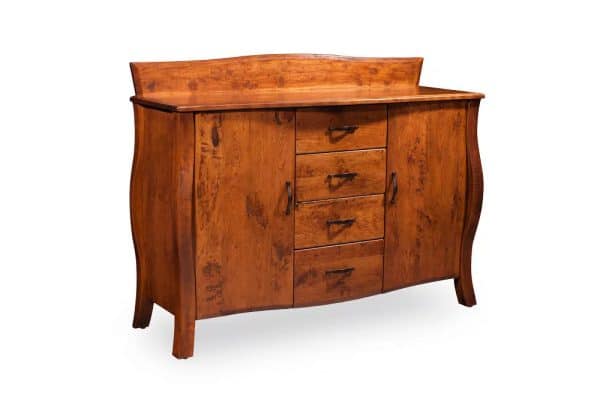
One of the most overlooked advantages of solid wood furniture is the ability to refinish rather than replace.
Scratches, dents, or worn finishes are not the end of the piece. They’re part of its story. Solid wood can be sanded, repaired, and refinished multiple times over its lifespan, often looking better with age.
Cheap furniture offers no such second life. Once damaged, it’s done.
The Environmental Cost of Disposable Furniture
Frequent replacement doesn’t just affect your wallet—it affects the environment.
Low-quality furniture contributes to:
-
Increased landfill waste
-
Higher resource consumption
-
Short product life cycles
-
Greater carbon footprint from repeated manufacturing and shipping
Choosing furniture built to last is one of the simplest ways to reduce household waste and make a more sustainable choice without sacrificing style.
A Smarter Way to Think About Furniture Purchases
Instead of asking, “What’s the cheapest option?” a better question is:
“How long do I want this to last?”
When furniture is viewed as part of daily life—not a temporary placeholder—the decision framework shifts. Quality pieces:
-
Support routines
-
Enhance comfort
-
Hold their value
-
Reduce future expenses
They become part of your home’s foundation, not a recurring problem to solve.
Why January Is the Perfect Time to Upgrade Thoughtfully
January is when many homeowners reassess their spaces with fresh eyes. The holidays reveal which furniture works—and which pieces struggle under real use.
Instead of rushing into another quick fix, this is the ideal moment to:
-
Replace problem pieces with lasting solutions
-
Invest in furniture that fits your lifestyle
-
Make intentional choices that won’t need revisiting next year
Buying better once is often far more affordable than buying cheaply over and over again.
Final Thoughts: Cheap Furniture Is Rarely a Bargain
The true cost of furniture isn’t what you pay at checkout—it’s what you live with afterward.
When you factor in durability, comfort, replacement cycles, and daily satisfaction, inexpensive furniture often becomes the most expensive choice of all.
Quality furniture isn’t about luxury. It’s about reliability, longevity, and peace of mind.
And those are investments that keep paying off—long after the first year.
