
Solid Wood vs. Composite: What You’re Really Paying for in Dining Furniture
When shopping for dining furniture, the price differences can be surprising. Two tables may look nearly identical online—yet one costs significantly more than the other. The reason almost always comes down to materials: solid wood versus composite.
At first glance, it’s easy to assume you’re paying simply for appearance. But the truth is, you’re paying for something much more important—durability, craftsmanship, and long-term value.
Understanding the difference can help you make a smarter investment for your home.
What Is Solid Wood Furniture?
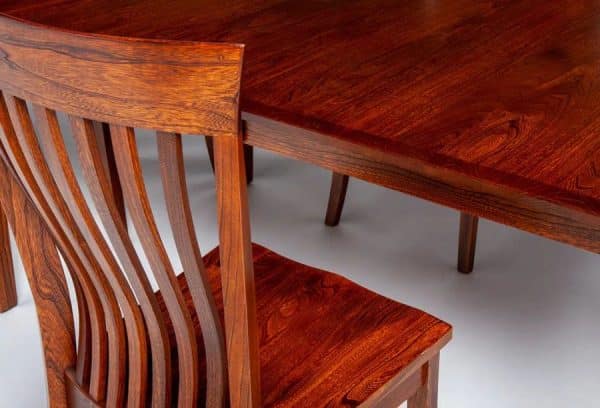
Solid wood furniture is exactly what it sounds like—crafted from real, natural hardwoods such as oak, maple, cherry, or birch. Each piece is built from boards that retain the grain, strength, and character of the original tree.
This isn’t mass-produced furniture designed for short-term use. Solid wood pieces are built to last for decades, often becoming part of a home’s story over time.
No two pieces are exactly alike, which adds to their appeal. The natural variations in grain and tone create a richness that simply can’t be replicated by synthetic materials.
What Is Composite Furniture?
Composite furniture includes materials like MDF (medium-density fiberboard), particleboard, and veneers. These are engineered products made by binding wood fibers, chips, or layers together with adhesives.
To improve appearance, composites are often finished with a thin veneer or laminate that mimics the look of real wood.
There’s nothing inherently wrong with composite furniture—it serves a purpose. It’s typically more affordable and lighter weight, making it easier to move and replace.
But that lower cost comes with trade-offs.
The Real Differences That Matter
The choice between solid wood and composite isn’t just about price—it’s about how the furniture performs over time.
1. Durability and Lifespan
Solid wood furniture is built for longevity. It can withstand daily use, resist structural damage, and even be refinished multiple times if needed.
Composite materials, on the other hand, are more susceptible to wear. Moisture, heat, and heavy use can cause swelling, chipping, or warping. Once damaged, these materials are often difficult—or impossible—to repair.
2. Repair vs. Replace
This is where the long-term value becomes clear.
A solid wood dining table can be sanded, refinished, or repaired if it gets scratched or worn. In many cases, it can look as good as new even after years of use.
Composite furniture rarely offers that option. When damage occurs, replacement is usually the only solution.
3. Craftsmanship and Customization
Solid wood furniture—especially American or Amish-made pieces—offers a level of craftsmanship that mass-produced composites simply can’t match.
Customers often have the ability to customize:
- Table size and shape
- Wood species
- Edge profiles and bases
- Finish colors and stains
This means your dining furniture isn’t just functional—it’s tailored to your space and style.
4. Appearance Over Time
Composite furniture can look great initially, but it often shows wear more quickly. Edges may peel, finishes can fade, and surfaces may lose their original appeal.
Solid wood, by contrast, tends to develop character over time. Small marks and changes in tone often enhance its natural beauty rather than detract from it.
Cost: Upfront vs. Long-Term
It’s easy to focus on the initial price tag. Composite furniture is typically less expensive upfront, making it appealing for quick solutions or temporary needs.
But when you factor in replacement costs, the equation changes.
A solid wood table may cost more initially, but if it lasts 15–20 years (or longer), it often becomes the more economical choice over time. Composite furniture may need to be replaced multiple times within that same period.
When Composite Furniture Makes Sense
To be fair, composite furniture isn’t the wrong choice in every situation.
It can be a practical option if:
- You need a short-term solution
- You’re furnishing a rental or transitional space
- Budget is the primary concern
The key is understanding what you’re getting—and what you’re not.
Why Solid Wood Aligns with Long-Term Living
For homeowners looking to create a space that feels grounded, personal, and lasting, solid wood furniture offers clear advantages.
It aligns with a mindset of investing in fewer, better pieces rather than replacing items repeatedly. It also supports craftsmanship and quality materials that stand the test of time.
In a dining room especially—a space centered around gathering, meals, and memory-making—this kind of investment tends to pay off in ways that go beyond dollars.
The Bottom Line
When you compare solid wood and composite dining furniture, you’re not just comparing materials—you’re comparing philosophies.
One is built for convenience and short-term use. The other is built for durability, customization, and longevity.
Neither is inherently right or wrong. But if your goal is to create a dining space that lasts, adapts, and grows with your home, solid wood furniture is the option that delivers real, lasting value.