
Small Dining Spaces, Big Impact: Furniture Solutions That Don’t Feel Crowded
Small dining spaces are no longer a compromise—they are a reality of modern living. Condos, townhomes, apartments, and open-concept homes often allocate limited square footage to dining areas, yet expectations for comfort and style remain high. The challenge is not fitting furniture into a smaller room; it’s choosing pieces that allow the space to breathe, function well, and feel intentional rather than cramped.
When selected thoughtfully, dining furniture can make a compact area feel welcoming, balanced, and surprisingly versatile. The key is understanding how scale, shape, and flexibility work together to support everyday life without overwhelming the room.
Why Small Dining Spaces Feel Crowded So Easily
Dining areas are particularly sensitive to poor furniture choices because they require clearance for movement, seating, and shared use. A table that’s too wide, chairs with bulky arms, or furniture that visually dominates the room can quickly make the space feel tight—even if the square footage technically works.
Crowding isn’t just about physical dimensions. Visual weight, hard edges, and awkward proportions all contribute to a sense of compression. In small dining spaces, furniture must earn its place by serving multiple purposes and maintaining visual calm.
Choosing the Right Table Shape for Limited Space
Table shape has a significant impact on how efficiently a small dining area functions. While rectangular tables are common, they aren’t always the best option for compact rooms. Corners and sharp edges take up visual and physical space, which can restrict movement.
Round and oval tables often perform better in smaller footprints. Without corners, circulation feels smoother, and chairs can be arranged more flexibly. A round table also visually softens the room, helping the space feel open rather than boxed in.
For narrow dining nooks or wall-adjacent layouts, a slimmer rectangular table can still work—provided the proportions are right. The goal is to maintain clear pathways and avoid excess depth that pushes chairs too close to walls or cabinets.
Extendable Tables: Flexibility Without Bulk
One of the smartest solutions for small dining spaces is an extendable table. These designs allow you to live small day to day while expanding when guests arrive. The key is choosing extension mechanisms that are simple, stable, and discreet.
A well-designed extension table doesn’t look like a compromise piece. When closed, it feels intentional and proportional. When opened, it offers generous surface area without sacrificing stability.
When evaluating extendable tables, look for:
-
Leaves that store cleanly within the table or nearby
-
Smooth extension systems that don’t require heavy lifting
-
Solid construction that feels sturdy in both configurations
This flexibility allows your dining space to adapt to real life instead of forcing daily living to revolve around occasional needs.
Seating That Maximizes Space Without Sacrificing Comfort
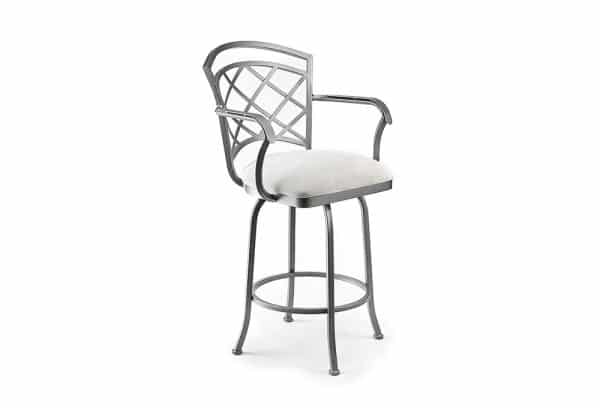
Chairs play a major role in how spacious a dining area feels. Oversized chairs with thick arms and wide backs quickly crowd a room, even if the table itself is well-sized. In smaller spaces, streamlined seating makes a noticeable difference.
Armless chairs are often the best choice for compact dining areas. They tuck neatly under the table when not in use, freeing up visual space and improving circulation. Chairs with open backs or slimmer profiles also help maintain sightlines, preventing the room from feeling visually blocked.
Comfort still matters. A chair doesn’t need bulk to provide support. Well-shaped backs, properly contoured seats, and quality materials offer comfort without unnecessary mass.
Visual Lightness Creates Breathing Room
In small dining spaces, what you see matters as much as what you measure. Furniture that appears heavy—dark finishes, thick legs, or chunky silhouettes—can dominate a room quickly. Visual lightness helps a space feel open even when square footage is limited.
Tables with tapered legs, chairs with open detailing, and finishes that highlight natural wood grain all contribute to a lighter aesthetic. This doesn’t mean everything needs to be pale or minimalist. Mid-tone woods and subtle textures can add warmth without overwhelming the space.
The goal is balance: furniture that feels substantial enough to last but refined enough to let the room breathe.
Scale Is More Important Than Seating Capacity
Many people choose dining furniture based on how many people they want to seat at maximum capacity. In small spaces, this approach often backfires. Furniture sized for rare occasions dominates the room every day.
Instead, prioritize how the space functions most of the time. A table that seats four comfortably but expands when needed will serve you better than a large fixed table that’s rarely used to capacity.
Appropriate scale allows you to move freely, pull out chairs without obstruction, and use the dining area for more than just meals. It becomes a flexible part of the home rather than a static obstacle.
Using Negative Space Intentionally
Negative space—the empty area around furniture—is not wasted space. In small dining areas, it’s essential. Clear space around the table and chairs allows movement to feel natural and prevents the room from feeling congested.
Furniture that fits precisely wall to wall may seem efficient on paper, but it often feels oppressive in practice. Leaving even a few extra inches of clearance can dramatically improve comfort and usability.
Negative space also allows the dining area to visually connect with adjacent rooms, which is especially important in open-concept layouts.
Small Dining Spaces Benefit From Quality Construction
In compact homes, dining furniture often works harder. Chairs are moved frequently, tables may double as workspaces, and pieces are used daily rather than occasionally. Quality construction becomes even more important under these conditions.
Solid wood furniture offers durability without excessive bulk. Well-joined frames, sturdy legs, and stable bases ensure that smaller pieces still feel grounded and reliable. Lightweight doesn’t mean flimsy, and compact doesn’t mean temporary.
Investing in well-made furniture reduces the need for replacement and prevents the space from feeling cluttered by constant changes.
Designing a Dining Space That Feels Intentional
Small dining spaces succeed when every piece has a purpose. Furniture should support how you live now while adapting easily to change. When scale, shape, and flexibility align, even the smallest dining area can feel inviting and complete.
Thoughtful furniture choices transform limitations into strengths. Instead of fighting the size of the room, you work with it—creating a dining space that feels comfortable, balanced, and genuinely enjoyable to use.