
Beyond the Dining Room: Unexpected Places to Use Bar Stools and Counter Stools
When most people think about bar stools and counter stools, the kitchen island is probably the first thing that comes to mind. And for good reason. Kitchen islands have become gathering places for everything from weekday breakfasts to homework sessions to Saturday-night entertaining.
But stools are far more versatile than their traditional role at the kitchen counter suggests.
Their relatively small footprint, variety of heights, and enormous range of styles make counter and bar stools useful throughout the home. They can create extra seating where a full-size chair would feel cumbersome, turn an overlooked counter into a functional workspace, or help define a casual gathering area without adding bulky furniture.
If you’re furnishing a new home, updating an existing space, or simply trying to make better use of rooms you already have, it may be time to look beyond the kitchen island. Here are some unexpected—and highly practical—places to use bar stools and counter stools throughout your home.
1. Create a Casual Homework Station
The kitchen table has long doubled as homework headquarters, but that arrangement isn’t always ideal. Dinner time arrives, books and laptops have to be cleared away, and suddenly everyone is competing for the same surface.
A counter-height homework station can provide a dedicated alternative.
If your home has an unused stretch of countertop, built-in desk, loft area, or wide hallway niche, adding a pair of counter stools can turn it into an instant study zone. A simple counter-height table placed against a wall can accomplish the same thing.
For younger children, having a homework area near the kitchen or family room lets parents remain available without everyone sitting around the same table. For teenagers, a counter-height workspace can provide enough separation to feel independent while keeping them connected to the rest of the household.
When selecting stools for a homework area, comfort matters. Look for supportive backs and consider upholstered seats if the stools will be used for long periods. A swivel stool can also make it easier to move between a computer, books, and nearby storage.
2. Turn a Game Room Into a Better Gathering Space
Game rooms often need two different kinds of seating.
There is the comfortable seating for watching television or playing video games—and then there is the seating needed for everything else.
Counter-height or bar-height stools are particularly useful around game tables, pub tables, and entertainment counters. Because they sit higher than conventional chairs, they can also give people seated farther back a better view of a television or sporting event.
Imagine a game room with a sofa facing the television and a counter-height table positioned behind it. Family members and guests can eat, play cards, work on a puzzle, or watch the game without everyone competing for space on the sofa.
This type of layered seating makes a room far more flexible, especially when entertaining larger groups.
3. Give the Basement Bar a Finished Look
A home bar without seating can feel more like a countertop than a destination.
Adding the right home bar stools immediately defines the space and makes it inviting. Whether your basement bar is a full wet bar with cabinetry and refrigeration or simply a stylish beverage station, stools signal that this is a place designed for people to gather.
This is also an opportunity to establish a distinct decorating personality.
A traditional basement bar might call for rich wood stools with upholstered seats. A contemporary space may look better with clean lines and metal accents. A rustic entertainment area could incorporate distressed finishes, while a transitional room might combine wood, metal, and neutral upholstery.
Before ordering, however, measure carefully.
Standard kitchen counters are generally around 36 inches high and typically pair with counter-height stools. Traditional bars are usually around 42 inches high and require taller bar-height stools. Choosing the correct stool height is essential for comfortable legroom.
4. Add Seating to a Craft or Hobby Room
Craft rooms need work surfaces, but traditional desk-height tables aren’t always the most practical choice.
Many hobbies are easier when you can alternate between sitting and standing. Counter-height worktables can be especially useful for sewing, scrapbooking, model building, gift wrapping, painting, and other projects that involve spreading materials across a large surface.
Pairing the worktable with counter stools gives you both options.
Instead of committing to a conventional seated workstation, you can stand when you need greater mobility and sit comfortably when working on detailed tasks.
Backless stools can be particularly useful in a craft room because they tuck completely beneath the work surface when not needed. If longer periods of sitting are expected, however, a stool with a supportive back may be worth the additional space.
5. Build a Breakfast Nook Without a Traditional Dining Set
Not every eating area needs a conventional dining table and four chairs.
In smaller homes, apartments, townhomes, or open-concept layouts, a counter-height dining table with stools can create a casual breakfast area while maintaining a lighter visual footprint.
It can also work beautifully in a larger home where the formal or primary dining table is reserved for dinners and gatherings.
A counter-height breakfast area provides a convenient place for morning coffee, quick lunches, or a conversation while dinner is being prepared. Depending on the room, it can feel more like a café than a second dining room.
For a cohesive look, choose stools that coordinate with nearby furniture without necessarily matching it exactly. Repeating a wood tone, metal finish, upholstery color, or design detail can connect the spaces while still giving each area its own identity.
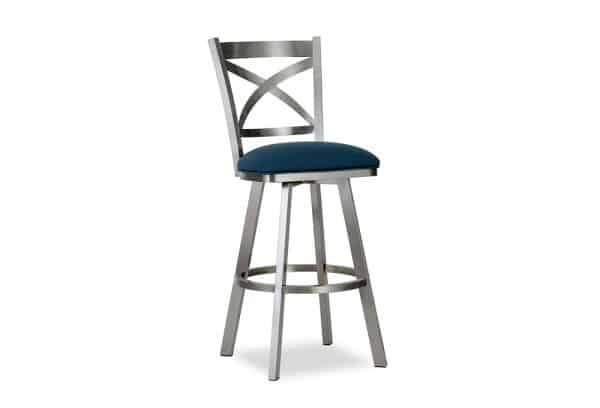
6. Make a Great Room More Flexible
Open-concept great rooms are designed to bring people together, but their size can make furniture placement surprisingly challenging.
Bar stools and counter stools can help bridge the different activity zones.
For example, a sofa table or counter-height console behind a sectional can be paired with stools to create an additional eating or work surface. Someone can answer emails or enjoy lunch while still being part of what’s happening in the family room.
When guests arrive, that same area becomes extra seating.
This flexibility is one of the biggest advantages of stools. Instead of adding another large piece of upholstered furniture, you can create seating that serves several purposes without overwhelming the room.
7. Create Your Own Coffee Bar
The home coffee station has evolved far beyond a coffeemaker sitting beside the toaster.
Dedicated coffee bars may include cabinetry, shelves, espresso machines, mugs, storage, and even small refrigerators. If space permits, adding one or two stools can turn the coffee station into a genuine morning retreat.
A narrow counter along a wall can be enough.
Add comfortable stools, good lighting, and a place to set a laptop or newspaper, and an otherwise unused section of the kitchen, dining area, or family room becomes a functional café-inspired space.
This can be particularly appealing in households with busy mornings. Not everyone needs to occupy the dining table simply to drink a cup of coffee or eat a quick breakfast.
8. Use Stools in a Home Office
Working from home has changed the way many people think about office furniture.
A conventional desk and office chair may still be essential, but they don’t have to be the only workspace in the room.
A counter-height table with stools can function as a secondary work area for reviewing documents, spreading out a project, meeting with someone, or simply changing position during the day.
It can also make a shared home office more versatile. One person may work at the primary desk while another uses the counter-height surface temporarily.
For this application, prioritize ergonomics over appearance alone. A stool with a back, footrest, and well-proportioned seat will generally be more comfortable for extended use than a minimalist backless design.
9. Add Flexible Seating to a Media Room
Home theaters and media rooms often face the same problem: how do you add more seats without blocking everyone’s view?
The answer may be to go higher.
A row of bar-height seating behind a sofa or sectional can create a second viewing level without requiring permanent theater-style construction. A narrow bar-height table provides space for snacks and drinks while stools elevate viewers above the seating in front.
When the television isn’t being used, the same table can accommodate board games, casual meals, or conversation.
It’s an efficient way to make a media room work for both everyday family life and larger gatherings.
10. Create a Casual Entertaining Zone
Not every conversation needs to happen around the dining table.
A counter-height or bar-height table can establish a secondary gathering point in a family room, finished basement, sunroom, enclosed patio, or other entertainment area.
The higher seating position naturally encourages casual conversation and creates the feeling of a pub, café, or lounge.
It also gives guests choices. Some people prefer sitting on the sofa. Others gravitate toward the kitchen. Still others enjoy standing or sitting at a higher table where they can easily move in and out of conversations.
A well-designed home provides more than enough seats—it provides different ways to gather.
Choosing the Right Stool for Each Space
Once you start thinking beyond the kitchen, it’s easy to see how many places could benefit from additional stool seating. But the same stool won’t necessarily be right for every room.
Consider how the stool will actually be used.
A backless stool that works beautifully at a craft table may not provide enough support for a home office. An upholstered swivel stool may be ideal for a basement bar but unnecessarily substantial for a small breakfast area.
Pay attention to several factors:
- Height: Make sure you’re choosing counter-height or bar-height stools appropriate for the surface.
- Comfort: Consider backs, armrests, footrests, cushioning, and swivel features based on how long people will sit.
- Space: Allow enough room between stools and enough clearance behind them for people to move comfortably.
- Durability: Think about who will use the stools and how frequently.
- Style: Coordinate the stools with the room rather than treating them as an afterthought.
Most importantly, measure before you buy. A beautiful stool that’s the wrong height won’t be comfortable, regardless of how well it matches the room.
Bar Stools Aren’t Just for Bars Anymore
The best furniture doesn’t simply fill a space. It helps a home work better for the people living in it.
That’s what makes bar stools and counter stools so versatile.
They can turn an unused countertop into a homework station, make a game room more welcoming, provide a second workspace in a home office, add seating to a media room, or transform a forgotten corner into a coffee bar.
And because stools are available in an enormous range of materials, finishes, upholstery options, and designs, they can complement nearly any decorating style—from traditional and rustic to transitional, industrial, and contemporary.
Before deciding that you need another table, desk, chair, or large piece of furniture, take another look at the space you already have. Sometimes a counter-height surface and a few carefully chosen stools are all it takes to make an overlooked part of your home useful again.