
Romantic Dining at Home: Furniture Choices That Elevate Valentine’s Day Meals
Valentine’s Day doesn’t have to mean crowded restaurants, fixed menus, or rushed reservations. In fact, more couples are choosing to celebrate at home—where the food is personal, the pace is unhurried, and the atmosphere can be tailored to exactly how you want to feel together. What many people overlook is how much your dining furniture shapes that experience.
The table you sit at, the chairs you linger in, and even the shape of the dining surface influence comfort, conversation, and intimacy. When those elements work together, dinner becomes more than a meal—it becomes an experience worth savoring.
Why Furniture Matters More Than Décor
Candles, flowers, and music set the tone, but furniture sets the foundation. An uncomfortable chair or oversized table can quietly pull attention away from the moment. On the other hand, well-chosen dining furniture invites you to slow down, stay present, and enjoy each other’s company long after the plates are cleared.
Romantic dining at home works best when the furniture encourages closeness without feeling cramped and comfort without sacrificing style.
Choosing the Right Table Shape for Connection
Table shape plays a surprisingly important role in how a Valentine’s Day dinner feels. Rectangular tables are practical for everyday use, but for an intimate evening, round or smaller-scale tables often feel more personal.
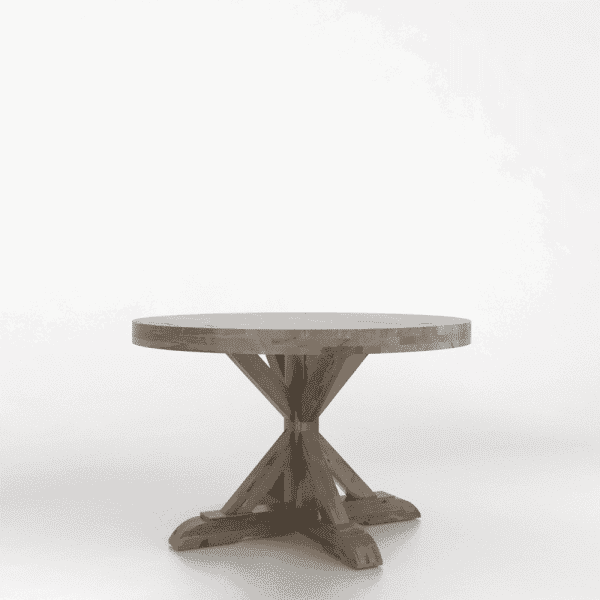
A round table eliminates sharp edges and visual barriers, making conversation feel more natural. Everyone sits at an equal distance, which subtly reinforces connection. If a round table isn’t an option, a compact rectangular table with a narrower width can create a similar effect.
When selecting a table for romantic dining:
-
Look for proportions that allow you to sit closer without crowding
-
Choose solid wood surfaces that add warmth and depth
-
Avoid oversized tables that feel cavernous for two
The goal is to create a sense of shared space rather than distance.
Table shape also affects how sound and movement travel during a meal. Rounded edges soften acoustics, helping voices feel closer and more intimate, while tighter proportions keep gestures, shared dishes, and eye contact within easy reach. When everything you need is comfortably within arm’s length, the meal feels less formal and more connected. Instead of leaning forward or speaking across a wide surface, you settle in naturally—creating an environment where conversation flows easily and the focus stays on each other rather than the table itself.
Seating That Encourages You to Stay Awhile
Romantic dinners aren’t meant to be rushed, and seating comfort plays a major role in how long you linger. Chairs that look beautiful but feel stiff or shallow can cut the evening short. Chairs that offer proper support invite conversation, dessert, and that extra glass of wine.
When evaluating dining chairs for intimate meals, focus on:
-
Supportive backs that encourage relaxed posture
-
Cushioned or upholstered seats for extended comfort
-
Armless designs that allow closer positioning at the table
Chairs should support natural movement without distracting squeaks, wobbling, or hard edges. Comfort allows the moment to unfold naturally.
Wood Tone and Finish Set the Mood
Just as lighting temperature affects ambiance, wood tone influences emotional warmth. Lighter woods feel casual and airy, while mid-to-dark tones create richness and depth—perfect for romantic settings.
Natural wood grain adds texture and visual interest without overwhelming the table setting. Matte or satin finishes tend to feel more intimate than high-gloss surfaces, which can reflect light harshly.
For Valentine’s Day dining, warmer tones pair beautifully with candlelight, soft linens, and simple tableware. The furniture becomes part of the atmosphere rather than competing with it.
Scale Matters More Than You Think
One of the most common mistakes in home dining spaces is oversized furniture. Large tables and bulky chairs dominate the room and make intimate dinners feel small by comparison.
Right-sized furniture allows negative space to work in your favor. When there’s room to move comfortably around the table, the environment feels calm rather than crowded. This balance is especially important in apartments or open-concept homes where dining areas share space with kitchens or living rooms.
Well-scaled furniture creates a sense of intention—everything feels placed on purpose rather than simply filling space.
Small Details That Make a Big Difference
Once the core furniture pieces are right, subtle details elevate the experience even further. A well-crafted table edge feels better under the hand. Chairs that glide smoothly across the floor keep transitions quiet and effortless. Solid wood construction adds a sense of permanence and care that mass-produced furniture often lacks.
Beyond what you see, how furniture feels and functions in quiet ways shapes the emotional tone of the evening. The subtle curve of a chair back that supports your shoulders, the gentle resistance of a well-fitted table leaf, or the reassuring weight of a solid wood tabletop all register subconsciously. These details signal quality and care, allowing you to relax into the experience rather than adjusting, shifting, or compensating. When furniture works exactly as it should, it fades into the background—freeing your attention for conversation, connection, and the shared rhythm of the meal.
Thoughtful furniture choices communicate something unspoken: this moment matters enough to be comfortable, beautiful, and unrushed.
Creating a Valentine’s Day Tradition at Home
Romantic dining at home doesn’t have to be a once-a-year event. When your dining furniture supports comfort and connection, it becomes a space you return to again and again—for anniversaries, celebrations, or quiet weeknight meals that turn meaningful simply because you slowed down.
Investing in quality dining furniture isn’t just about aesthetics. It’s about creating a setting where moments linger and memories form naturally.