
How to Care for Leather and Upholstered Bar Stools
How to Care for Leather and Upholstered Bar Stools
Bar stools aren’t just functional—they’re style anchors in kitchens, dining rooms, and home bars. Choosing the right ones makes a space feel complete, whether you’re aiming for casual comfort, modern elegance, or rustic charm. But once you’ve invested in quality leather or upholstered bar stools, the next step is making sure they stay beautiful and last for years.
Unlike all-wood or metal stools, leather and upholstered seating require a bit of extra care. With the right cleaning habits and preventative measures, you can protect your bar stools from everyday wear and tear, spills, and fading—keeping them looking like new.
In this guide, we’ll walk through everything you need to know about caring for leather and upholstered bar stools, from routine maintenance to long-term preservation tips.
Why Proper Care Matters
Bar stools are high-use furniture. They’re often in the busiest part of the house—right at the kitchen counter or around an island. That means they see constant use for meals, homework, gatherings, and casual conversations.
Without proper care, fabric and leather seats can quickly show their age:
-
Stains from food or drinks
-
Cracks or fading in leather
-
Sagging or pilling in fabrics
-
Dust and grime that dull the overall appearance
By keeping up with regular maintenance, you’re not only protecting the look of your furniture but also preserving its comfort and resale value.
Caring for Leather Bar Stools
Leather is a timeless, durable material that grows more beautiful with age—if it’s cared for properly. Here are the best practices for keeping leather bar stools supple and strong.
1. Dust and Wipe Regularly
Use a soft, dry cloth to remove dust and crumbs at least once a week. For deeper cleaning, lightly dampen a microfiber cloth with water and wipe down the surface. Avoid using harsh cleaning sprays, which can strip away natural oils.
2. Condition the Leather
Leather is skin, and just like your own, it can dry out. Every 6–12 months, apply a high-quality leather conditioner to keep it supple. Conditioning prevents cracks and restores the natural sheen.
3. Protect from Sunlight
Direct sunlight is leather’s worst enemy. Over time, UV rays can cause fading and drying. If your bar stools are near a bright window, consider using window treatments or rotating the stools to minimize uneven fading.
4. Handle Spills Quickly
Accidents happen. When liquids spill, blot (don’t rub) with a dry cloth immediately. For oil-based spills, sprinkle cornstarch or baking soda to absorb excess oil, then wipe clean.
5. Avoid Harsh Products
Skip all-purpose cleaners, ammonia, bleach, or alcohol-based wipes. These will damage the leather surface and accelerate aging. Stick with leather-specific products.
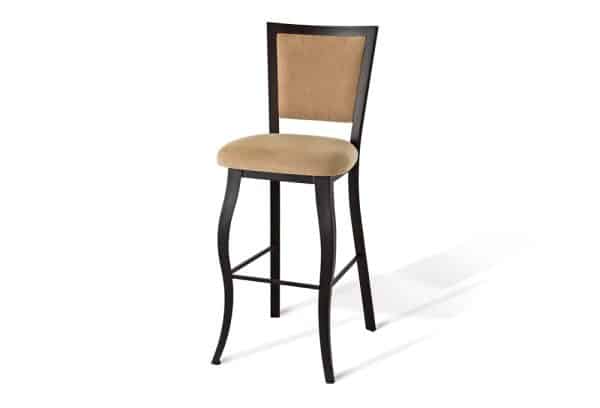
Samantha Bar Stool
Caring for Upholstered Bar Stools
Upholstered bar stools add warmth, comfort, and personality to a dining space. Fabric offers more texture and design variety than leather, but it does require different care techniques.
1. Vacuum Frequently
Dust, crumbs, and pet hair build up quickly in fabric fibers. Use the upholstery attachment on your vacuum weekly to keep stools fresh. This prevents dirt from settling deep into the weave.
2. Spot Clean Stains Promptly
Check the manufacturer’s label for fabric care codes (W, S, SW, or X). These indicate whether you should use water-based or solvent-based cleaners. Always blot, never rub, to avoid spreading stains.
Pro tip: A mild mix of dish soap and warm water works well on many water-safe fabrics. Test on a hidden area first.
3. Use Fabric Protector
Applying a protective spray (such as Scotchgard for upholstery) can make a big difference in stain resistance. Always test first to ensure it won’t alter the color or texture.
4. Rotate and Fluff Cushions
If your stools have removable or cushioned seats, rotate them regularly. Fluffing helps prevent sagging and uneven wear.
5. Freshen with Baking Soda
Sprinkle baking soda over upholstered seats and let sit for 15 minutes before vacuuming. This natural deodorizer absorbs odors from food, pets, or everyday use.
General Tips for Both Leather and Upholstered Stools
While leather and fabric need unique approaches, some universal practices will help any bar stool last longer.
-
Mind the weight limit: Don’t overload stools beyond their capacity.
-
Lift, don’t drag: Move stools carefully to avoid stressing joints or scratching floors.
-
Add footrests or glides: These protect both the stool legs and your flooring.
-
Keep away from moisture: Excess humidity or spilled water can damage wood frames and fabric alike.
When to Call in the Professionals
Sometimes, home care isn’t enough. If your leather is badly cracked, stained, or torn, or if fabric has deep-set stains or odors, it may be time to call a professional cleaner. Many upholstery services offer at-home treatments that can refresh your stools without replacing them.
For high-end leather, a professional restoration can breathe new life into your furniture and extend its lifespan by decades.
Final Thoughts
Leather and upholstered bar stools bring comfort, sophistication, and personality to your dining space. With consistent care—dusting, cleaning, conditioning, and protecting—you can preserve their beauty for years to come.
Think of it as protecting your investment. Quality furniture is meant to last, and the little steps you take now will pay off in long-lasting style, comfort, and value.
So the next time you gather around your counter or home bar, you’ll know your stools aren’t just looking their best—they’re built to stay that way.